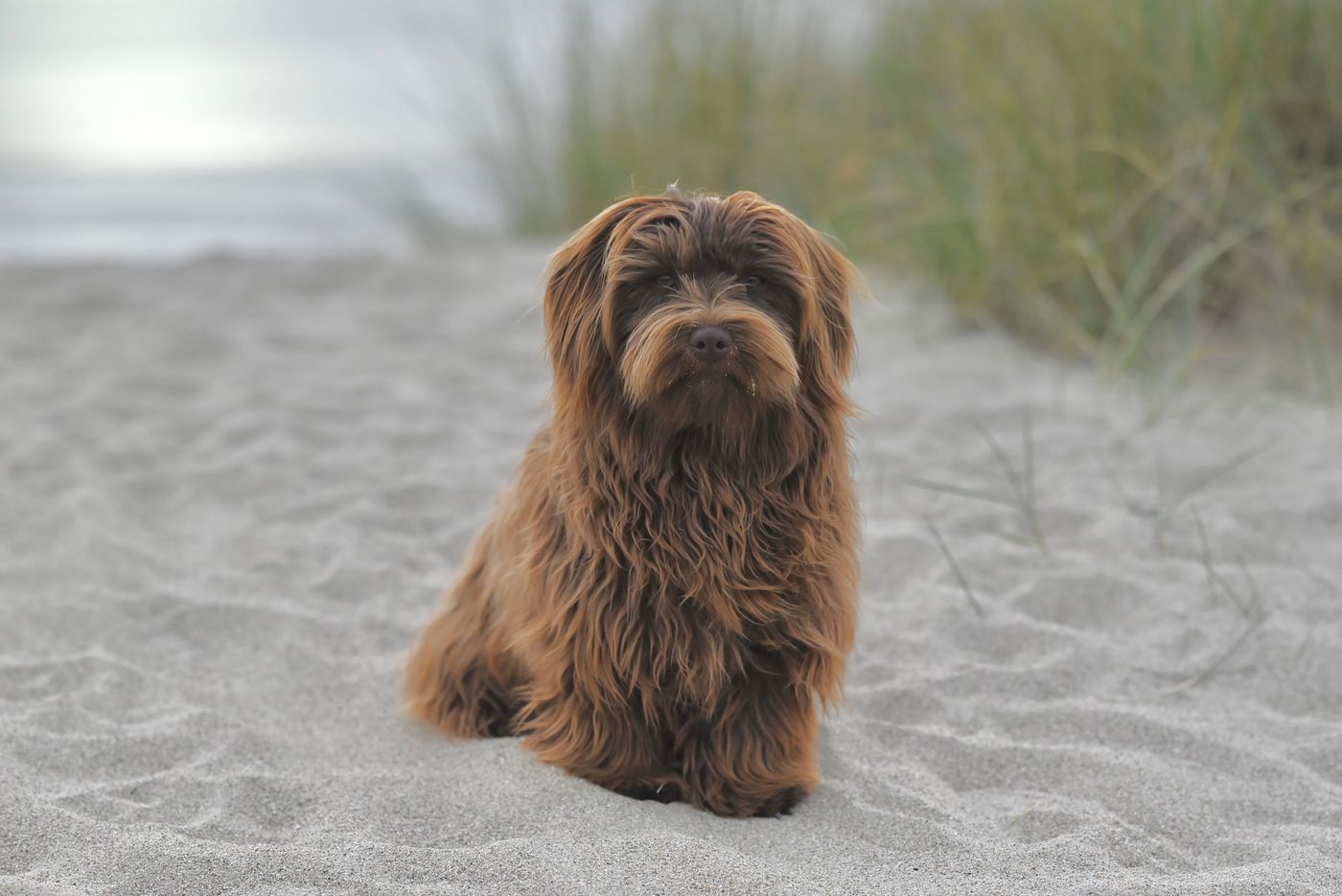
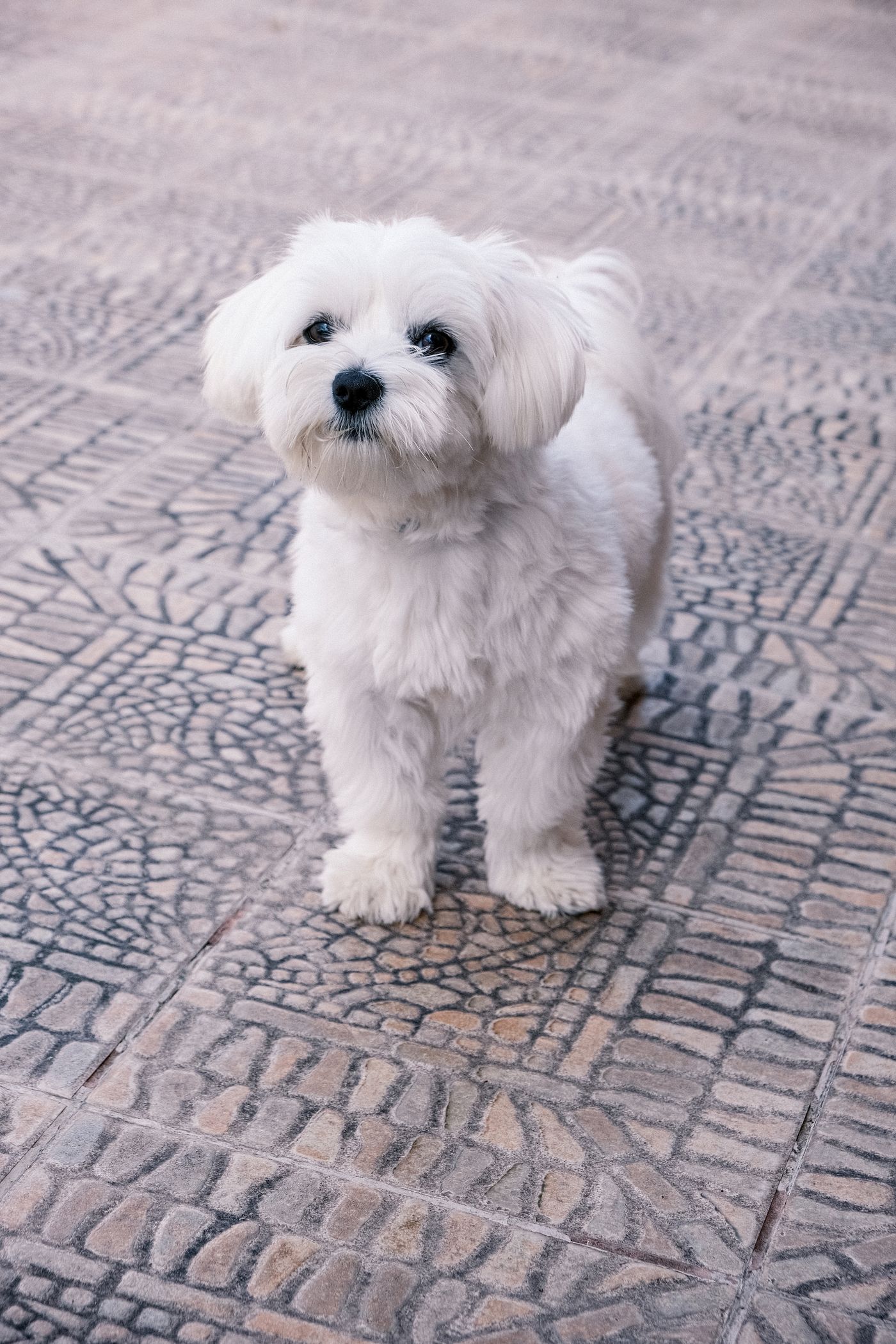
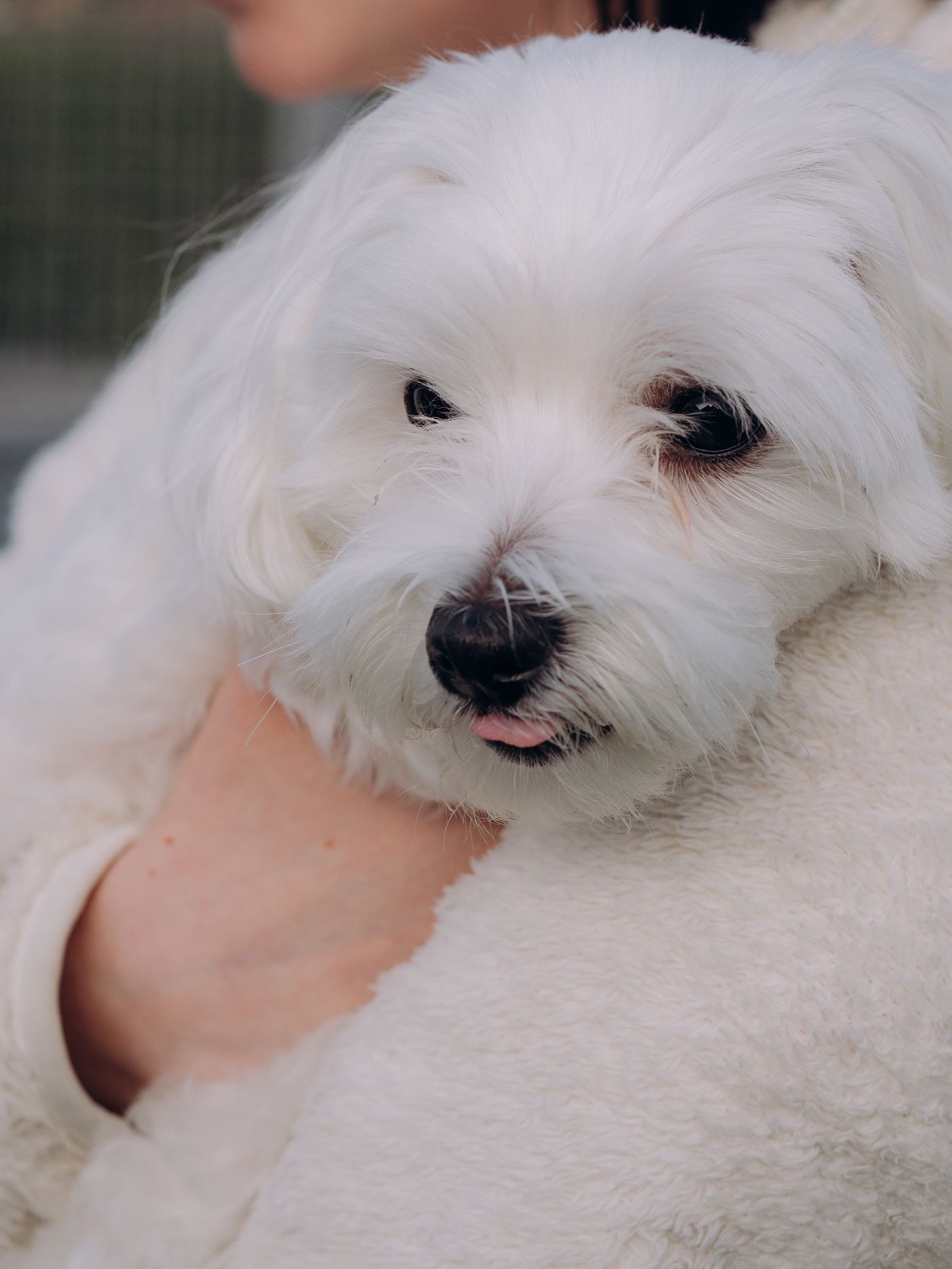
Short answer: pick the Havanese if you want the steadier family dog. Pick the Maltese if you want the smallest possible dog with the least amount of loose hair. Longer answer: both breeds get compared constantly because they are small, toy-sized companions with long, silky coats, but the real differences show up in temperament, trainability, and exactly how the coat behaves, not in some vague "better breed" verdict. Here is the honest side by side.
Our take
The short version
Havanese usually wins for families with young kids and first-time toy-breed owners who want an easier dog to house-train. It is the sturdier of the two, and it rarely develops the anxious or yappy habits a Maltese can pick up without consistent training. Maltese usually wins if your top priority is the smallest possible dog or the lowest-shedding coat: the AKC standard caps a Maltese under 7 pounds, with 4 to 6 pounds preferred, and its coat carries no undercoat at all, a true single layer of hair. Both are low-shedding, not allergy-free, and both live well into their teens with good care. If you are choosing on family fit and easy training, lean Havanese. If you are choosing on size and coat, lean Maltese.
The numbers and the temperament, together
Thirteen points that actually matter when you are choosing between the two, not just breed-standard trivia.
Swipe sideways on a phone to see the Maltese column.
| What matters | Havanese | Maltese |
|---|
| Weight | 7 to 13 lbs | Under 7 lbs by breed standard, 4 to 6 lbs preferred |
| Height at shoulder | 8.5 to 11.5 in | 7 to 9 in |
| Coat structure | Soft double coat, silky outer coat and undercoat | Single-layer coat, no undercoat at all, pure white by breed standard |
| Shedding | Low. A common pick for allergy-conscious households, never allergy-free | Also low, and often even less because the coat has no undercoat to shed out |
| Temperament | Cheerful and gentle, rarely defensive with strangers | Affectionate and alert, confident with new people and other dogs |
| With young kids | Sturdier build, widely considered patient with children under supervision | More physically fragile, many breeders avoid placing a puppy with very young kids |
| Trainability | Eager to please, house-trains quickly with positive methods | Intelligent but independent, one of the harder toy breeds to house-train |
| Exercise needs | Short daily walks plus indoor play | Short daily walks plus indoor play, about the same |
| Grooming | 2 to 3 brushings a week, trim every 6 to 8 weeks if kept short | Daily brushing to prevent matting, professional groom every 4 to 6 weeks |
| Health testing to ask for | Hip, patella, eye exam (CERF or CAER), cardiac, BAER hearing | Patella and congenital heart (OFA), annual eye exam (ACVO), bile-acid liver screening on shunt-prone lines |
| Average lifespan | 13 to 16 years | 12 to 15 years |
| AKC recognition | 1996 | 1888, well over a century earlier |
| Typical price | $1,500 to $3,000 | Roughly $1,000 to $4,000 nationally from reputable breeders |
Pick a Havanese if
- You have kids under 6 and want a sturdier, more patient toy breed.
- You want a dog that is naturally easy to house-train.
- You like a range of coat colors, not just white.
- You are fine with a dog up to 13 pounds, not chasing the smallest possible size.
Pick a Maltese if
- You want the smallest dog the AKC standard allows: under 7 pounds.
- Minimizing shed hair and undercoat is your single biggest priority.
- Your kids are older and gentle, not toddlers who play rough.
- You don't mind extra patience on house-training and daily brushing to prevent mats.
What a Maltese actually is
If you have only ever seen a Maltese in a show-ring topknot, the breed's actual background explains a lot about its coat and confidence.
One of the AKC's oldest toy breeds
The Maltese is an ancient companion breed, believed to be more than 2,000 years old and prized across the Mediterranean long before dog shows existed. The AKC recognized it in 1888, more than a century before the Havanese's 1996 recognition, which is part of why it shows up in some of the earliest American Kennel Club stud books.
The single coat with zero undercoat
A Maltese's coat is a true single layer, long, flat, and silky, with no undercoat at all. The AKC standard calls for pure white, with light tan or lemon on the ears permissible but not preferred. Keeping it long takes daily brushing to prevent matting, which is why so many pet Maltese wear a shorter puppy trim instead.
The honest part
Where the Maltese genuinely wins
It would be easy for a Havanese site to only tell you what is good about a Havanese. Here is where the Maltese is genuinely the better dog on paper, not a consolation prize.
- Truly the smaller dog. The AKC standard caps a Maltese under 7 pounds, with 4 to 6 pounds preferred. A Havanese runs 7 to 13 pounds. If your goal is the smallest dog you can responsibly own, the Maltese wins outright.
- A coat with zero undercoat. The Maltese's single-layer coat carries no undercoat at all, less coat volume than the Havanese's soft double coat. For someone whose top priority is the least possible loose hair in the house, the Maltese has the edge.
- More generations on record. The AKC recognized the Maltese in 1888, the Havanese not until 1996, a gap of well over a century. That means more documented generations and more breed-club health data to check when you are vetting a breeder's lines.
Havanese vs Maltese, quick answers
Is a Havanese or a Maltese better for allergies?
Both are low-shedding, and plenty of allergy-sensitive owners do fine with either breed. The Maltese has a true single-layer coat with no undercoat at all, so it often sheds even less than the Havanese's soft double coat. Neither breed is allergy-free. If allergies are a real concern, spend time with an adult dog of the specific breed before you commit.
Which is easier to train, a Havanese or a Maltese?
The Havanese, generally. Havanese are eager to please and respond well to positive training, including house training. Maltese are just as intelligent but more independent-minded, and the breed has a reputation as one of the harder toy breeds to house-train, often taking one to four months of consistent work.
Are Havanese or Maltese better with young kids?
The Havanese tends to be the steadier choice. It is a sturdier toy breed and widely considered patient with children, though play should always be supervised. Maltese are smaller and more physically fragile, and many breeders won't place a puppy with very young children for that reason. Maltese generally do better in homes with older, gentle kids.
Do Havanese or Maltese shed more?
Both shed very little compared to most breeds. The Havanese has a soft double coat that still carries some undercoat. The Maltese's single-layer coat has no undercoat at all, part of why it comes up so often in allergy-related searches, though daily brushing is still needed to prevent matting.
Which is smaller, a Havanese or a Maltese?
The Maltese. The AKC breed standard caps a Maltese under 7 pounds, with 4 to 6 pounds preferred, while a Havanese typically runs 7 to 13 pounds. If the goal is the smallest possible dog, the Maltese wins outright.
Which breed lives longer, a Havanese or a Maltese?
They're close. Havanese average 13 to 16 years, and Maltese average 12 to 15 years. Both are long-lived toy breeds with good care, and individual health matters more than the small average gap between them.