Home / Havanese vs Shih Tzu
Havanese vs Shih Tzu
Havanese usually wins on easy training and a lower-maintenance grooming routine. Shih Tzu usually wins on sturdier size and a longer AKC pedigree. Here is the honest, numbers-first breakdown.
Home / Havanese vs Shih Tzu
Havanese usually wins on easy training and a lower-maintenance grooming routine. Shih Tzu usually wins on sturdier size and a longer AKC pedigree. Here is the honest, numbers-first breakdown.
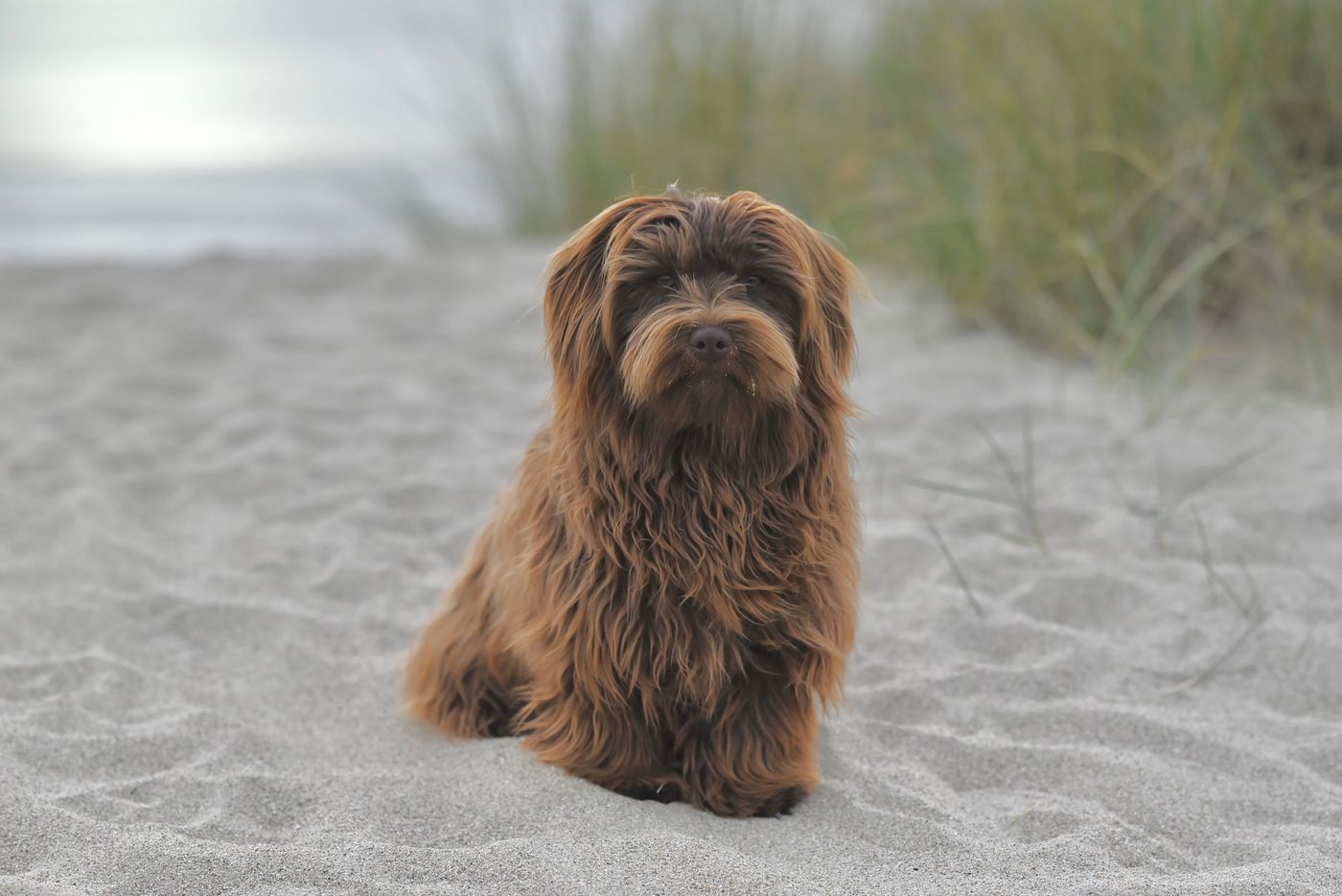
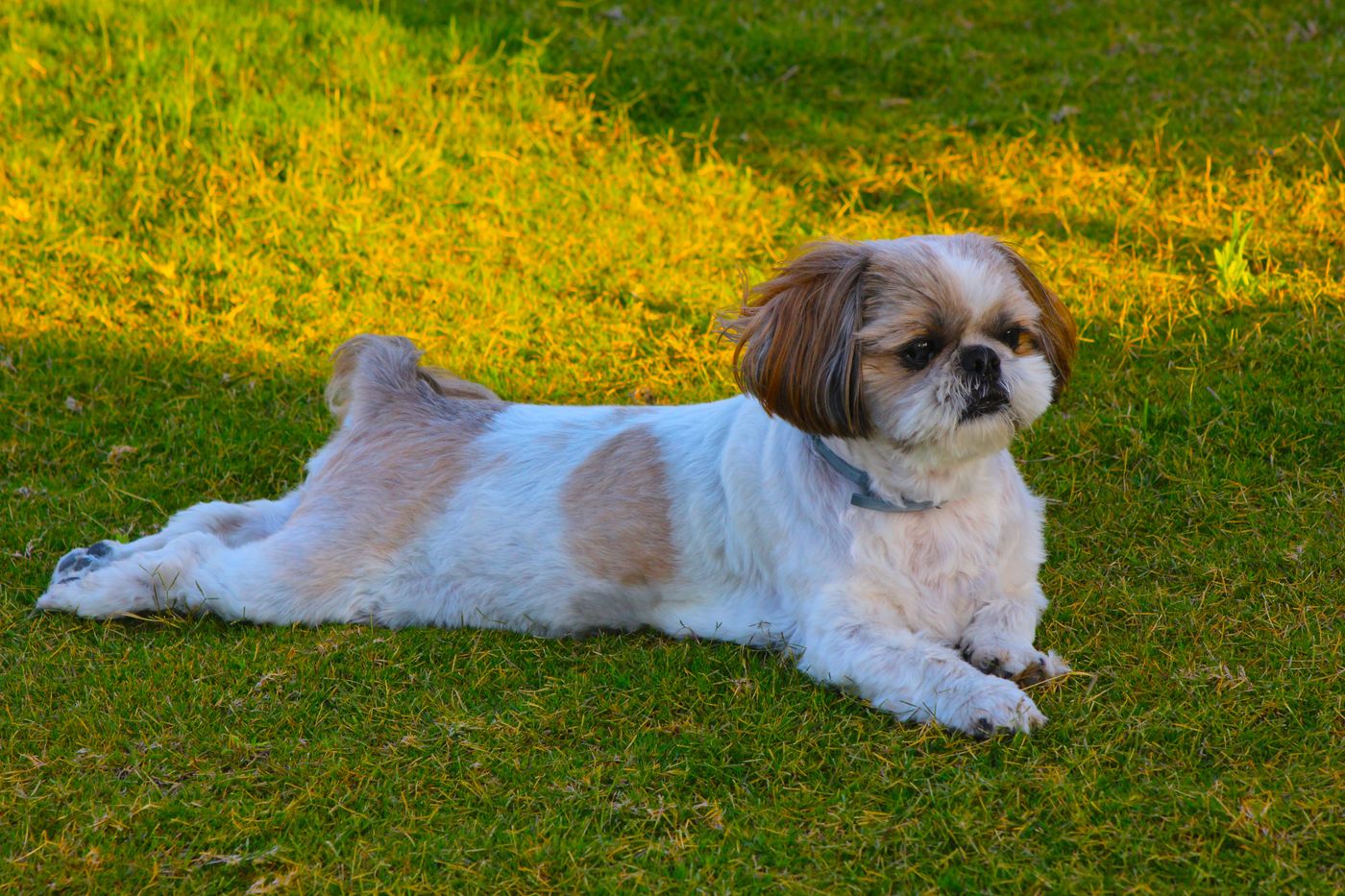
Short answer: pick the Havanese if you want the easier dog to house-train and a lighter grooming routine. Pick the Shih Tzu if you want a sturdier, more solidly built toy dog with a much longer AKC show history. Longer answer: both breeds get compared constantly because they are small, long-coated companion breeds with similar personalities on paper, but the real differences show up in build, coat maintenance, and exactly how forgiving house training is, not in some vague "better breed" verdict. Here is the honest side by side.
Our take
Havanese usually wins for first-time toy-breed owners who want a dog that house-trains faster and needs less grooming upkeep day to day. It has no undercoat mats to chase and no seasonal blowout to manage. Shih Tzu usually wins if your priority is a sturdier-built dog on paper: the AKC standard explicitly calls for a "compact, solid" dog carrying real weight and substance, and at 9 to 16 pounds it runs heavier than the Havanese's 7 to 13 pounds. It also has 27 more years on the AKC books and a lifespan that can stretch a bit longer at the top end. Both are affectionate, people-oriented lap dogs, not allergy-free, and neither loves rough, unsupervised handling. If you are choosing on ease of training and grooming, lean Havanese. If you are choosing on sturdier build and breed history, lean Shih Tzu.
Thirteen points that actually matter when you are choosing between the two, not just breed-standard trivia.
Swipe sideways on a phone to see the Shih Tzu column.
| What matters | Havanese | Shih Tzu |
|---|---|---|
| Weight | 7 to 13 lbs | 9 to 16 lbs by breed standard |
| Height at shoulder | 8.5 to 11.5 in | 8 to 11 in, ideally 9 to 10.5 in |
| Coat structure | Soft double coat, silky outer coat and undercoat | True double coat, dense woolly undercoat under a long silky topcoat |
| Shedding | Low and fairly steady, never allergy-free | Also low day to day, but the undercoat releases more heavily each spring and fall, mostly trapped in the topcoat rather than falling free |
| Temperament | Cheerful and gentle, rarely defensive with strangers | Affectionate and people-oriented, bred for centuries as a palace companion, can get willful if allowed to call the shots |
| With young kids | Sturdier build, widely considered patient with children under supervision | Compact and solidly built per the breed standard, generally good with kids, but its short muzzle makes it more prone to overheating during rough or excited play |
| Trainability | Eager to please, house-trains quickly with positive methods | AKC rates it very trainable overall, but house training specifically is notoriously slow, often several weeks to a few months |
| Exercise needs | Short daily walks plus indoor play | Short daily walks plus indoor play, but its short muzzle means care is needed in heat or humidity |
| Grooming | 2 to 3 brushings a week, trim every 6 to 8 weeks if kept short | Brushing every 1 to 2 days (daily if kept long), professional groom every 4 to 6 weeks |
| Health testing to ask for | Hip, patella, eye exam (CERF or CAER), cardiac, BAER hearing | Eye exam (CAER, required for a CHIC number), patella evaluation, hip evaluation (OFA or PennHIP), DNA testing per breed-club recommendations |
| Average lifespan | 13 to 16 years | 10 to 18 years, a wider range per the AKC and PetMD |
| AKC recognition | 1996 | 1969, 27 years earlier |
| Typical price | $1,500 to $3,000 | Roughly $1,000 to $3,000 nationally from reputable breeders |
If you have only ever seen a Shih Tzu in a topknot bow, the breed's actual background explains a lot about its build and its coat.
The Shih Tzu was bred over centuries in Tibet and China as a companion for imperial households, then recognized in Britain in 1946 before the American Shih Tzu Club, formed in 1963, secured full AKC recognition on September 1, 1969. That is 27 years ahead of the Havanese's 1996 recognition, more documented generations to check when vetting a breeder's lines.
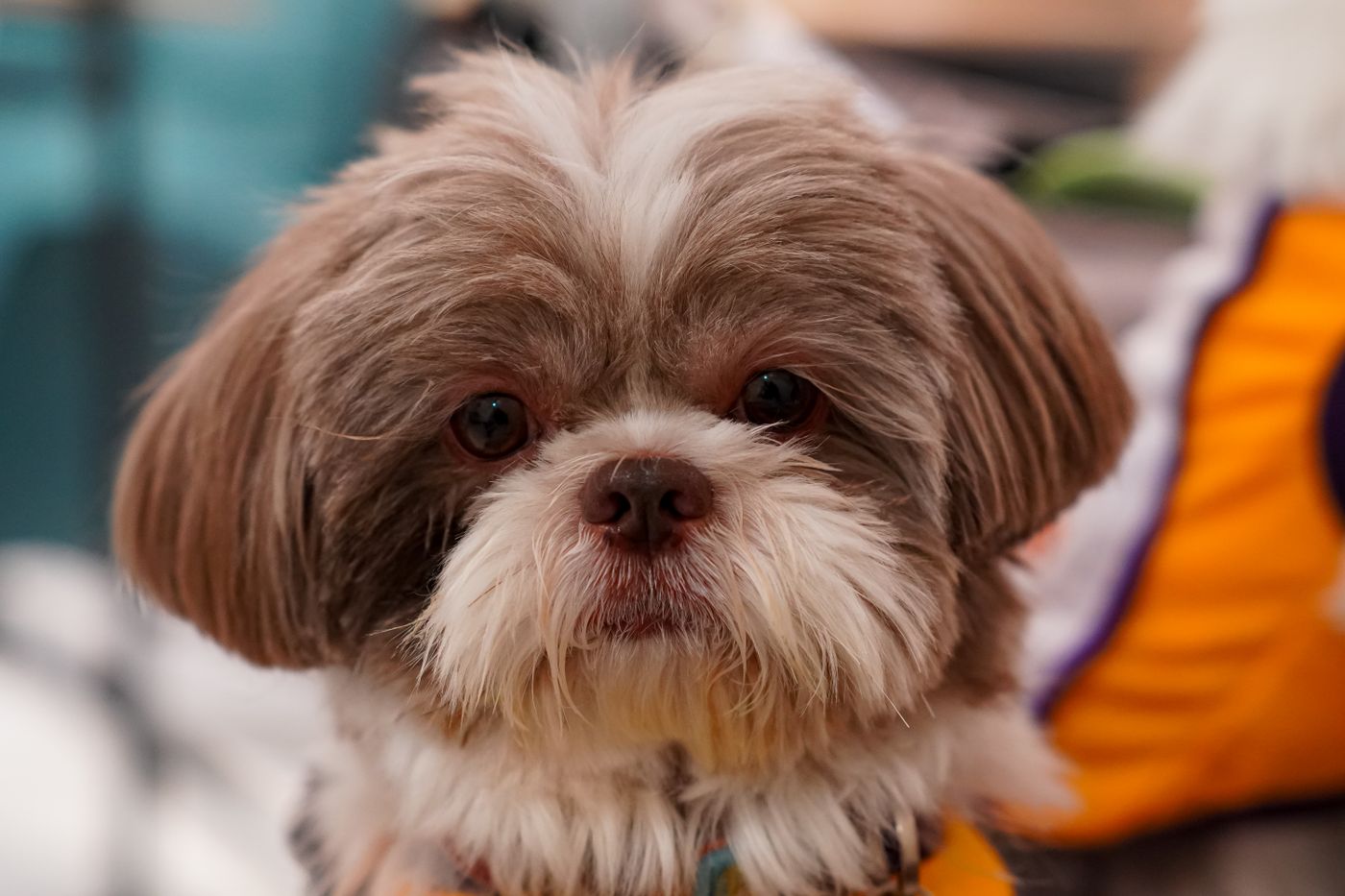
Unlike the Havanese's single soft coat, the Shih Tzu carries a true double coat, a dense woolly undercoat beneath a long silky topcoat, which is part of why it needs brushing every day or two to stay mat-free. Its short muzzle is also worth knowing about going in: it is a brachycephalic breed, so breathing and heat tolerance need more attention during exercise and hot weather than a Havanese requires.
The honest part
It would be easy for a Havanese site to only tell you what is good about a Havanese. Here is where the Shih Tzu is genuinely the better dog on paper, not a consolation prize.
Both are considered lower-shedding breeds, and plenty of allergy-sensitive owners do fine with either. The Shih Tzu carries a true double coat whose undercoat sheds seasonally but mostly stays trapped in the longer topcoat rather than falling around the house, while the Havanese's soft double coat grows more continuously without a big seasonal blowout. Neither breed is allergy-free. If allergies are a real concern, spend time with an adult dog of the specific breed before you commit.
The Havanese, generally. Havanese are eager to please and respond well to positive training, including house training. Shih Tzu are just as people-oriented and the AKC rates them very trainable, but house training a Shih Tzu is notoriously slow going, small dogs mean small bladders, and many Shih Tzu refuse to go outside in rain, cold, or wind, which can stretch the process to several months.
Both are commonly recommended family breeds. The Havanese is the sturdier of the two by weight range but the Shih Tzu is actually built more solidly, the AKC standard specifically calls for a 'compact, solid' dog carrying real weight and substance, so it tends to handle careful child handling well. Neither breed enjoys rough or unsupervised play, and the Shih Tzu's short muzzle makes it more sensitive to overheating during excited, active play, so supervision matters for both.
Both shed noticeably less than most breeds. The Havanese has a soft double coat that sheds in a fairly steady, low-key way. The Shih Tzu also has a true double coat, and while it is a light shedder, its undercoat does release more heavily during spring and fall coat changes, with most of that loose hair trapped in the topcoat rather than falling free, which means more frequent brushing to prevent mats during those stretches.
The Shih Tzu, generally. The AKC breed standard puts a mature Shih Tzu at 9 to 16 pounds, while a Havanese typically runs 7 to 13 pounds. Height is closer, Shih Tzu stand about 8 to 11 inches at the shoulder against the Havanese's 8.5 to 11.5 inches, but on weight the Shih Tzu is the sturdier, heavier-bodied breed of the two.
It's close, and the ranges overlap heavily. The Havanese averages 13 to 16 years. The AKC and PetMD both put the Shih Tzu at 10 to 18 years, a wider range that stretches a bit further at the top end. Individual health and genetics matter more than the small gap between breed averages.
Leaning Havanese? See what to look for before you buy and what day-to-day life with the coat and personality actually looks like. Leaning Shih Tzu? See Shih Tzu puppies at Shih Tzu Finder, a family-owned site in the same network.
Read the breeder checklist